
How Diablo II Uses Environment to Guide Player Adventure

When people talk about Diablo II, they often focus on loot, builds, monsters, and iconic D2 items. But one of its most effective design tools is quieter. The game uses the environment to guide players through the world without relying on constant instructions. Long before quest markers became standard, Diablo II taught players where to go, what to fear, and when to prepare through visual and spatial cues alone. This approach gives the adventure a natural flow. Players feel like they are exploring rather than being led. The world nudges them forward, step by step, through terrain, lighting, and layout rather than dialogue boxes.

Clear Paths in a Hostile World

From the opening moments near the Rogue Encampment, the game establishes a clear relationship between safety and danger. Towns are open, well-lit, and orderly. Paths are wide. Movement feels relaxed. The moment players step outside, the environment changes. Trees close in. Paths narrow. Visibility drops.
These contrasts matter. Roads subtly point toward objectives. Forks appear at moments where exploration makes sense. Dead ends often hide optional content, not main objectives. Even without a map, players learn to read the land. A worn trail through the wilderness feels intentional. A broken fence or collapsed wall invites curiosity.
Diablo II rarely blocks progress with invisible walls. Instead, it uses natural barriers like rivers, cliffs, and dense foliage. Players instinctively follow openings and slopes. The environment teaches navigation through logic rather than rules.

Vertical Descent and Rising Threat

One of the game’s most effective environmental tools is vertical movement. Many key locations involve descending deeper into danger. Cellars, crypts, sewers, and catacombs all reinforce a simple idea: down is worse than up.
As players descend, ceilings lower and rooms tighten. Light sources become sparse. Sound design shifts. Monsters grow more aggressive. Without a single warning, the game signals that preparation matters. Potions, repairs, and caution become habits learned through space rather than failure messages.
Boss encounters almost always sit at the deepest point of an area. The long descent builds tension naturally. Players feel the weight of commitment. Turning back means retracing dangerous ground. Pushing forward feels risky but necessary.

Visual Identity as Direction

Each act has a distinct visual identity, and that identity does practical work. Act I’s forests are damp and muted, with ruined stone structures hinting at fallen civilizations. Act II opens into harsh desert spaces with long sightlines and blinding light. Act III traps players in dense jungles where paths twist, and visibility shrinks. Act IV strips the world down to hellish stone and fire, removing comfort entirely.
These shifts are not just aesthetic. They reset player expectations. Wide desert spaces suggest ambush from afar. Jungles suggest close-quarters danger. Hell itself offers no safe edges, signaling that the endgame allows no retreat.
Players subconsciously adapt their movement and combat style based on the environment. The world teaches them how to survive within it.

Landmarks That Anchor Progress

Diablo II relies heavily on landmarks. Windmills, towers, temples, and fortress walls appear on the horizon long before players reach them. These structures act as visual promises. They say, “This matters.”
Even randomized maps respect this logic. While layouts change, major landmarks remain readable. A tower rising above the trees signals significance. A fortress gate framed by broken ground draws the eye forward. Players always have a sense of direction, even when the exact path shifts.
This balance between randomness and clarity is critical. The world feels unpredictable, but never confusing. Players stay oriented because the environment keeps offering reference points.

Environmental Storytelling Without Exposition

Much of Diablo II’s story is told through space rather than dialogue. Blood-stained altars, abandoned camps, and corrupted temples tell the story without words. The further players travel, the more broken the world becomes.
Enemy placement reinforces this storytelling. Fallen enemies cluster near ruined villages. Demons occupy former places of worship. By the time players reach the depths of Hell, the environment has already explained the stakes.
This approach keeps momentum intact. Players learn by moving, not stopping to read. The environment respects their time and attention.

Teaching Through Repetition and Variation

The game introduces environmental ideas early, then repeats them with variation. Narrow corridors first appear in safe contexts, then later in deadly ones. Open spaces initially feel freeing, then become arenas for overwhelming enemies.
Because these lessons are learned gradually, players rarely feel surprised by unfairness. When danger spikes, the environment has already warned them. Tight spaces mean crowd control matters. Open ground means positioning is key.
The world trains the player through experience, not instruction.

Why It Still Works

Many modern games rely on explicit guidance. Icons, arrows, and glowing paths dominate the screen. Diablo II proves those tools are optional. By trusting players to read the environment, it creates a stronger sense of agency.
Players don’t just complete objectives. They understand where they are and why it matters. The world feels coherent, dangerous, and alive.
That is why the adventure still holds up. Diablo II does not tell players where to go. It shows them. And by doing so, it turns simple movement into meaningful exploration.


Mastering Eco-Adventures by Choosing the Right Multi‑Tool and Learning From a Leatherman Comparison

Adventurer happily adjusting camping gear with Leatherman multi-tool in forest clearing.

Outdoor excursions require versatile skills and adaptability, and having the right multi-tool can make your camping trips and hikes significantly more pleasurable and easy.

The seamless integration of camping models in the real world is particularly useful in comparing them. A comprehensive Leatherman comparison focuses on the utility, environmental impact, and overall durability of the tools.

Understanding the Adventurer’s Eco-Mindset

Eco-friendly adventurers pay close attention to the tools and gear they carry, including reducing camping and hiking waste and having equipment that is multipurpose, lightweight, and durable.

This is why multi-tools are pivotal to the adventurer’s eco-mindset. Selecting a multi-tool that is designed around true eco-sustainability, such as durable materials that lessen the need for replacement over time, allows for optimized purpose so nothing carried is superfluous in the backcountry.

Versatile Leatherman Comparisons

A Leatherman comparison focuses on tool selection, quality of construction, and ease of carry. Signal and Rebar are great examples of models tailored for differing outdoor specifications.

One, for example, may have survival features, including a fire starter and a carabiner clip, while the other focuses on a more utilitarian aspect and includes tools such as pliers, screwdrivers, and wire cutters.

Evaluating these features and others is extremely useful for outdoor enthusiasts in choosing the right multi-tool for their specific adventure type while also considering its environmental value.

Practical Use in the Field

An appreciation for the versatility of a multi-tool in real-world situations can go a long way. For example, campers can efficiently prepare food, set up shelters, or mend broken equipment if the right tool is readily available.

Hikers can go over obstacles and handle emergency situations without needing to use throwaway tools. This not only protects the hikers but also helps them practice environmentally conscious behaviors such as using fewer throw-away tools.


ALSO READ: 5 Stunning Destinations for Unforgettable Timbersled Adventures in Nature


Choosing the Right Tool for Lasting Impact

The goal has to be to select a multi-tool that is likely to be used many times, can handle several types of tasks, and is suitable for use in the wilderness.

Adventurers can use a Leatherman comparison to make eco-friendly and informed decisions for the right multi-tool that will be more than just another piece of gear.

The right multi-tool will be a functional and reliable partner for the entire trip.

Conclusion

The selection of a multi-tool for protracted adventures can be a complicated process. However, using a Leatherman comparison provides clearer guidelines for the selection process.

The right tool enhances the preparation of the adventures and will improve the eco-friendly impact of all outdoor activities to make them more memorable for the right reasons.

Capture Adventure in a Gift: Create Personalized Photo Presents

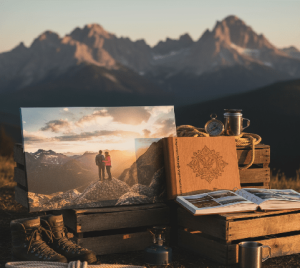
Adventure experiences create memories that last a lifetime. Turning these moments into a tangible keepsake adds meaning to every journey. Whether it’s a hiking trip through dense forests, kayaking down wild rivers, or exploring remote mountains, a personalized gift featuring a photo can make those experiences unforgettable.

One excellent option is a photo gift, or in Dutch, cadeau met foto laten maken. This allows you to take a favorite adventure snapshot and transform it into something practical and memorable. Such gifts carry the story of your adventure and make any occasion more special.

1. Custom Adventure Photo Mugs

a hikers personalized mug

Morning coffee or tea becomes more exciting when your mug features a photo from your latest trip. Personalized mugs are affordable, practical, and meaningful. You can:

  • Add a landscape photo from a mountain hike or beach trip.
  • Include the recipient’s name or a short message.
  • Create a collage of several adventure highlights.

Mugs are perfect for friends, family members, or colleagues who love to start the day with a smile and a memory.

2. Outdoor Memory Pillows

Soft furnishings like pillows can carry adventure memories into your living space. Personalized pillows with photos capture the essence of exploration. Some ideas include:

  • Forest hiking snapshots for a cozy reading corner.
  • Kayaking or rafting photos for a water-themed room.
  • Scenic mountain or desert landscapes paired with a meaningful quote.

Pillows offer comfort while keeping memories alive, making them a thoughtful gift for anyone who cherishes nature experiences.

3. Engraved Gear and Accessories

Adventure gear and accessories can also be personalized. From water bottles to keychains, small items can carry a personal touch. Consider:

  • Engraving a name or date on a compass or pocket knife.
  • Customizing a backpack with a photo patch.
  • Personalized travel journals featuring a cover image from your trip.

These gifts are practical for adventurers while keeping their journeys close to heart.

4. Photo Books and Adventure Albums

Photo books allow you to tell the story of a trip from start to finish. They are ideal for preserving adventures and sharing them with others. Ideas include:



  • Chronological albums of multiple hikes or camping trips.
  • Adding captions or short stories alongside each photo.
  • Creating themed albums for special trips, like a rafting expedition or mountain trek.

Albums are perfect for people who love to relive experiences and want a keepsake that lasts for years.

For some families, adventures under the night sky become a treasured story worth saving. If you want ideas for a fun outdoor activity before creating your keepsake, check out Stargazing A Great Adventure for Kids, which inspires memorable evenings beneath the stars.

5. Wall Art Featuring Nature and Adventure

Turning your adventure photos into wall art transforms memories into decor. Personalized prints keep the spirit of exploration visible every day. Options include:

  • Framed prints of landscapes or wildlife shots.
  • Canvas art combining a favorite photo and a motivational quote.
  • Photo collages of multiple trips to showcase a year of adventures.

Wall art is a gift that adds both personality and inspiration to any home.

6. Tech Accessories with a Personal Touch

Even technology can carry adventure memories. Custom phone cases, laptop covers, or USB drives can feature your favorite trip photo. Some ideas are:

  • Phone cases printed with scenic landscapes or action shots.
  • Laptop sleeves featuring adventurous moments from your travels.
  • USB drives engraved with a favorite nature photo or initials.

Personalized tech accessories combine practicality with sentiment, making them ideal for everyday use.

Conclusion: Preserve Memories with Personalized Photo Gifts

Gifts that feature photos capture moments that ordinary presents cannot. From mugs and pillows to wall art and adventure albums, personalized gifts remind recipients of the experiences they treasure. For anyone who wants to turn a hiking trip, kayaking adventure, or mountain exploration into a lasting memory, consider creating a photo gift. Personalized gifts turn moments into treasures and bring the spirit of adventure into everyday life.

Every adventure deserves to be remembered. Thoughtful customization makes gifts meaningful, ensuring that every photo becomes a cherished keepsake that sparks memories for years to come.

From Greenwich to Phoenix: An Eco-Smart Adventure in Long-Distance Moving

moving services truck

Cross-country relocation can be done without leaving a heavy footprint on the planet. With the right approach, you can minimize waste, reduce fuel consumption, and turn your move into a sustainable journey worth remembering.

Choosing a Moving Partner that Shares Your Green Goals

Selecting a moving company that values eco-friendly practices makes a big difference. Working with Greenwich CT movers to Phoenix, like Experia Moving, allows you to access transport solutions that use fuel-efficient trucks and streamlined logistics, helping reduce greenhouse gas emissions during your relocation.

Smart Packing for Less Waste

Eco-conscious packing starts with rethinking traditional moving supplies. Instead of buying new cardboard boxes, try borrowing sturdy containers from local businesses or renting reusable moving bins. Use linens, towels, and clothing as padding to cut down on bubble wrap and packing paper. By doing this, you save money and prevent unnecessary waste from ending up in landfills.

Fuel-Efficient Transport Tips

Transport is often the biggest environmental impact in a long-distance move. Choose companies that use modern trucks with improved fuel efficiency. Plan your move for off-peak traffic times to avoid unnecessary idling. If you have multiple vehicles, consider shipping one instead of driving both to reduce overall fuel use. The route from Greenwich to Phoenix covers about 2,300 miles, so even small efficiency gains can make a big environmental difference.

Adapting to Two Very Different Climates

Greenwich and Phoenix are worlds apart when it comes to climate. Greenwich experiences cold winters and humid summers, while Phoenix is known for its hot, dry conditions. When packing, separate seasonal items so you can easily adjust once you arrive. Bring hydration gear and light clothing to adapt quickly to Arizona’s heat, and consider energy-efficient cooling solutions for your new home.

Downsizing Before You Go

Reducing the volume of what you move lowers your environmental impact. The fewer items you bring, the smaller the truck or the fewer trips needed. Donate, sell, or recycle belongings that you no longer use. This not only lightens your load but also benefits others and keeps usable items out of the trash.

Making Your New Home Eco-Friendly from Day One

Setting up sustainable living habits immediately makes the transition smoother. Install energy-efficient lighting and appliances, set up a recycling system, and consider drought-resistant plants for landscaping in Phoenix’s dry environment. You can explore more about compact, sustainable living ideas in this guide on how RVs support minimalist eco-friendly lifestyles.

Turning the Move into an Adventure

A long-distance move offers more than just a change of address. It’s an opportunity to explore different cultures, cuisines, and lifestyles. Plan a few scenic stops along your route to make the trip memorable. Whether it’s enjoying local food in a small town or visiting a national park, these moments can make the journey as rewarding as the destination.

Final Thoughts

Relocating from Greenwich to Phoenix does not have to come at the expense of the environment. With careful planning, the right partners, and conscious choices, you can reduce your ecological impact and enjoy the process. Think of your move not just as a logistical task but as a chance to embrace a new chapter in a way that respects the planet.

Mindfulness and Mental Resilience: Keys to Meaningful Eco-Adventures

planting trees

More than 70% of people who engage in nature-focused travel say the experience improves their mental clarity and overall well-being. Eco-adventures like multi-day hikes, forest conservation missions, or coastal cleanups aren’t just about the environment—they’re also a journey into ourselves. These kinds of trips can be physically tough and emotionally overwhelming. That’s where mental resilience steps in.

Adventure isn’t just about what you carry in your backpack. It’s also about the mindset you bring. Whether you’re joining a nature expedition or volunteering at an eco-reserve, staying mentally strong helps you adapt, stay calm under pressure, and make the most of the experience. Some people credit their improved self-awareness and mental stamina to mindfulness practices inspired by mental clarity programs. A good example is the experiences shared by people who’ve gone through programs like those from Bureau Breinfijn (Ervaringen).

What Makes Mindfulness So Important for Eco-Adventurers?

Mindfulness trains your attention and focus. It helps you be present, which is essential when navigating wild trails or living in remote conservation camps. It also helps you connect more deeply with the purpose of your trip—whether that’s hiking through forests, kayaking along wild rivers, or simply pausing to appreciate flora and fauna during a nature exploration.

When you’re aware of your thoughts and emotions, you don’t just react—you respond. That’s important when hiking with a group, meeting new cultures, or facing unpredictable weather. Practicing mindfulness allows you to appreciate the little things, like the sound of birds at sunrise or the sight of a rare plant species—experiences that make eco-adventures unforgettable.

Resilience Is Your Inner Compass

Think of mental resilience as your brain’s version of a survival kit. It’s not about being emotionless. It’s about bouncing back when things don’t go as planned. Maybe your tent gets flooded, or the group takes a wrong turn on a trail, or tired, sore, and missing your regular comforts. With resilience, you keep going anyway.

This doesn’t happen by accident. You build resilience by training your mind ahead of time—through journaling, guided breathing, silent walking, and intentional reflection. These habits prepare you to stay calm and focused during moments of stress. They also make you more open to learning from unexpected situations.

Practices to Build Mental Strength Before Your Trip

1. Start with Breathwork

Breathing techniques are simple but powerful. Slow, deep breathing lowers your stress response. Try practicing for 10 minutes each morning. It helps regulate your nervous system and gives you a tool to use when facing tough situations on the trail.

2. Walk with Intention

Go on short nature walks and focus only on what you hear and see. This strengthens your ability to be present. You’ll find that it makes you calmer and more observant—skills that come in handy during eco-volunteering or hiking.

3. Journal Your Fears and Goals

Write down what excites you about your adventure and what worries you. Putting thoughts on paper helps reduce anxiety. You can track your progress and revisit your reasons for embarking on the trip in the first place.

Eco-Adventures Are as Much Mental as Physical

Some people assume that the biggest challenge of an environmental expedition is physical endurance. But that’s only part of the picture. Long hours without internet, unpredictable weather, and close living quarters test your emotional patience and mental stamina. How you deal with discomfort defines your journey more than how far you hike or how many trees you plant.

Mindfulness and resilience help you soak up the moment. They also help you connect more deeply with the purpose of your trip. You’re not just collecting memories or photos—you’re building character, empathy, and a stronger bond with nature.

Let Your Inner Strength Lead the Way

Whether you’re preparing for a solo hike in a national park or a group trip to restore coral reefs, don’t overlook mental prep. By building mindfulness and resilience now, you’ll walk into your eco-adventure with confidence and calm. You’ll also be better equipped to handle whatever comes your way—and return with lessons that go far beyond the trail.

Restoring Adventure-Themed Commercial Spaces

Adventure-themed commercial spaces, such as gyms, play areas, or recreational centers, are known for their vibrant installations, like climbing walls, obstacle courses, and zip lines. However, restoring these spaces back to their original condition is no small task. It requires expertise, precision, and a deep understanding of the structural and design aspects involved.

For businesses in Singapore, this process often involves specialized reinstatement works Singapore, which focuses on dismantling, repairing, and restoring properties to their initial state. These projects ensure that businesses meet lease agreements and avoid penalties, all while maintaining safety and efficiency.

The Challenges of Adventure-Themed Space Restoration

adventure themed space

Adventure-themed spaces are not like traditional commercial interiors. Their unique installations are often built into the infrastructure. For instance, climbing walls might be anchored to load-bearing structures, while obstacle courses could involve suspended elements requiring precise engineering. Restoring these elements involves removing them carefully without damaging the property or compromising its structural integrity.

Another challenge lies in reversing the creative customizations. Many adventure spaces feature bold paint schemes, intricate flooring, and custom-built fixtures. Reinstating these areas often means repainting, repairing walls, replacing floors, and undoing electrical and plumbing modifications tailored to the adventurous theme.

Steps Involved in Reinstating Adventure-Themed Spaces

1. Assessment of the Space

The process begins with a thorough assessment. Experts evaluate the scope of work required, identify areas with significant modifications, and determine the necessary tools and materials. This step ensures that nothing is overlooked during the reinstatement.

2. Dismantling Adventure Installations

This stage involves carefully dismantling climbing walls, obstacle courses, and other features. The goal is to remove these structures without causing damage. Skilled professionals ensure the property remains structurally sound throughout the process.

3. Restoring Walls, Floors, and Fixtures

Once the installations are removed, the next step is restoring the space. Walls are patched, repainted, and sometimes restructured. Floors may need to be resurfaced or replaced, depending on the wear and tear caused by the adventure installations. Lighting fixtures and other fittings have also been reinstated to match the original condition.

4. Ensuring Safety and Compliance

Restoration work must adhere to safety standards and building regulations. This is particularly important for spaces that have undergone significant structural modifications. Professionals inspect and certify the space to ensure compliance with local laws.

5. Cleaning and Final Touches

The last step involves a thorough cleaning of the property. This ensures it is ready for handover or a new purpose. Final touches, such as polishing surfaces or reapplying protective coatings, enhance the property’s overall appearance.

Why Professional Expertise Matters

Reinstating adventure-themed spaces is a technical and labor-intensive process. It demands expertise that goes beyond basic renovation skills. Professional reinstatement services in Singapore have the right tools and experience to handle complex restorations efficiently. They understand managing time-sensitive projects and delivering quality results, ensuring a smooth transition for property owners and tenants.

Additionally, professional teams are familiar with the legal and technical requirements of reinstatement works in Singapore. They handle everything from obtaining permits to ensuring compliance with building codes, saving businesses time and resources.

Cost Considerations for Reinstatement

The cost of reinstatement depends on several factors, such as the size of the space, the complexity of the adventure installations, and the extent of modifications required. Businesses can save costs by planning reinstatement work early and engaging professionals who offer transparent pricing.

While DIY attempts might seem cost-effective initially, they often result in higher expenses due to mistakes, delays, and non-compliance issues. Investing in professional services ensures a more reliable and efficient restoration process.

Sustainability in Reinstatement

A growing trend in the industry is incorporating sustainable practices into reinstatement projects. This includes recycling materials from dismantled installations, using eco-friendly paints, and opting for energy-efficient lighting fixtures. By prioritizing sustainability, businesses can reduce waste and contribute to environmental conservation while restoring their spaces.

READ ALSO: How Direct-to-File Transfer is Revolutionizing Environmental and Adventure Photography

Final Thoughts

Restoring adventure-themed commercial spaces to their original state requires skill, precision, and attention to detail. By partnering with experienced professionals, businesses can ensure the process is smooth, efficient, and compliant with regulations. Whether it’s dismantling a climbing wall or repainting bold murals, each step plays a crucial role in bringing the property back to life.

Hiring a trusted team is the key to hassle-free restoration for those seeking reliable reinstatement works in Singapore. With their expertise, you can focus on your next adventure while leaving the reinstatement process in capable hands.

5 Stunning Destinations for Unforgettable Timbersled Adventures in Nature

A rider on a snow-covered Timbersled bike crossing a pristine mountain trail at sunrise.

The Timbersled system, which allows dirt bikes to be converted into snow bikes, along with the existing bike, enables exploring snowy terrains across the globe like never before.

Whether one enjoys nature or biking, cutting through snowy landscapes is certainly an exhilarating experience.

Given below are 5 locations where you can have the best Timbersled experience.

1. Yellowstone National Park, USA

The expansive snow-capped wilderness found in Yellowstone offers an ideal environment for Timbersled lovers.

The exhilarating experience of maneuvering through geysers, frozen rivers, and snow-blanketed tupelo forests is like navigating winding paths.

Additionally, the park is filled with wildlife, which makes the experience richer and more interesting by combining excitement with peace.

2. Banff National Park, Canada

Panoramic views of the snow-capped Alps as well as the Rockies make Banff a perfect resort for those looking to combine Timbersled riding with rides across cherished glacial lakes and high-reaching peaks.

This combination of features makes for an excited-filled experience.

3. Lapland, Finland

If you are looking for alluring winter wonderlands, Lapland is the clear choice. Its soft snow combined with the wide expanses ensures smooth rides while the northern lights make for a breathtaking view.

The natural landscapes of Lapland, alongside its rugged terrains, beckon riders to take their Timbersled and start biking.


ALSO READ: 7 Eco-Friendly Ways to Watch Overseas Soccer Broadcasts


4. Lake Tahoe, USA

Lake Tahoe is surrounded by beautiful, snow-covered, mountainous terrain. Such a place will be able to cater to riders of every level with its pretty simple slope to more challenging backcountry routes.

5. Queenstown, New Zealand

Timbersled rides aren’t restricted to just summer; summer does, however, seem to be widely popular.

The Queenstown winter experience is surreal, especially with the extremely beautiful snow that covers everything, including the terrain, which is unique as compared to other regions in the southern hemisphere.

Conclusion

The views and hinterlands in these five locations will be an absolute treat for every rider worldwide. Be it the calm forested regions or steep, jagged mountains, you will certainly not forget these snowy locations.

All in all, this can all be catered to those who wish to indulge in danger and experience nature.

𐌢